A diabetes diagnosis can feel daunting, but well-controlled diabetes allows a full, active life. The goal is steady blood sugar – not perfect numbers every day, but consistent habits that keep sugar in range and prevent damage to the eyes, kidneys, nerves, heart and feet over time.
Food: balance, not deprivation
You do not need a special diet – you need a balanced one, eaten at regular times. Fill half your plate with vegetables, a quarter with protein such as lentils, eggs, fish or lean meat, and a quarter with whole-grain carbohydrates. Cut sugary drinks, sweets and refined flour, watch portion sizes, and do not skip meals, especially if you take insulin or sugar-lowering medicines.
Move every day
Activity helps your body use insulin better and lowers blood sugar naturally. Aim for at least 30 minutes of brisk walking on most days, add light resistance exercise if your doctor agrees, and avoid sitting for long stretches – stand and walk for a few minutes every hour.
Monitor and take medicines correctly
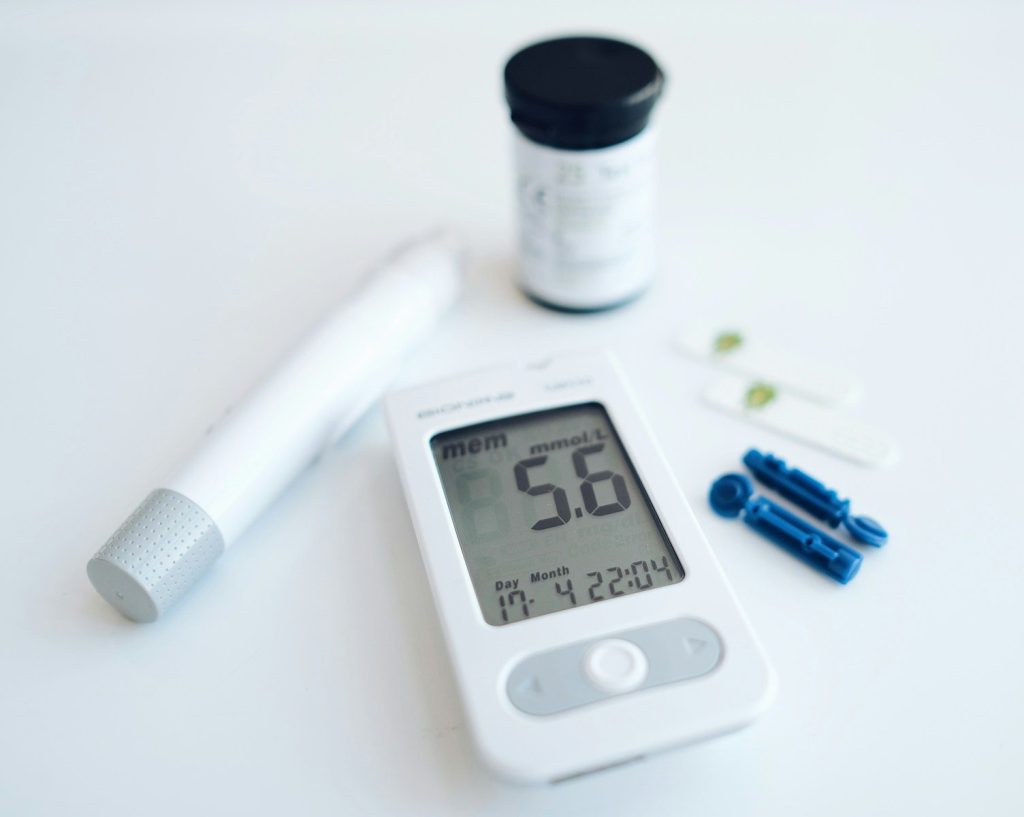
- Check blood sugar as often as your doctor advises, and keep a simple record.
- Have an HbA1c test every 3-6 months – it shows your average control over three months.
- Take medicines at the same times each day, and never stop or change doses on your own.
- Learn the signs of low blood sugar – shakiness, sweating, hunger, confusion – and carry glucose or sweets to treat it.
Protect your feet, eyes and kidneys
Check your feet daily for cuts or sores, wear comfortable footwear, and never walk barefoot. Have a dilated eye examination once a year, and annual kidney tests – a urine protein check and a blood creatinine test. Keep blood pressure and cholesterol controlled too; together with sugar, they decide your long-term health.
Living with diabetes? Join our diabetes care programme for regular monitoring, diet guidance and annual eye, kidney and foot screening in one place.
Disclaimer: This article is general information only and is not medical advice. Please follow the treatment plan agreed with your doctor.