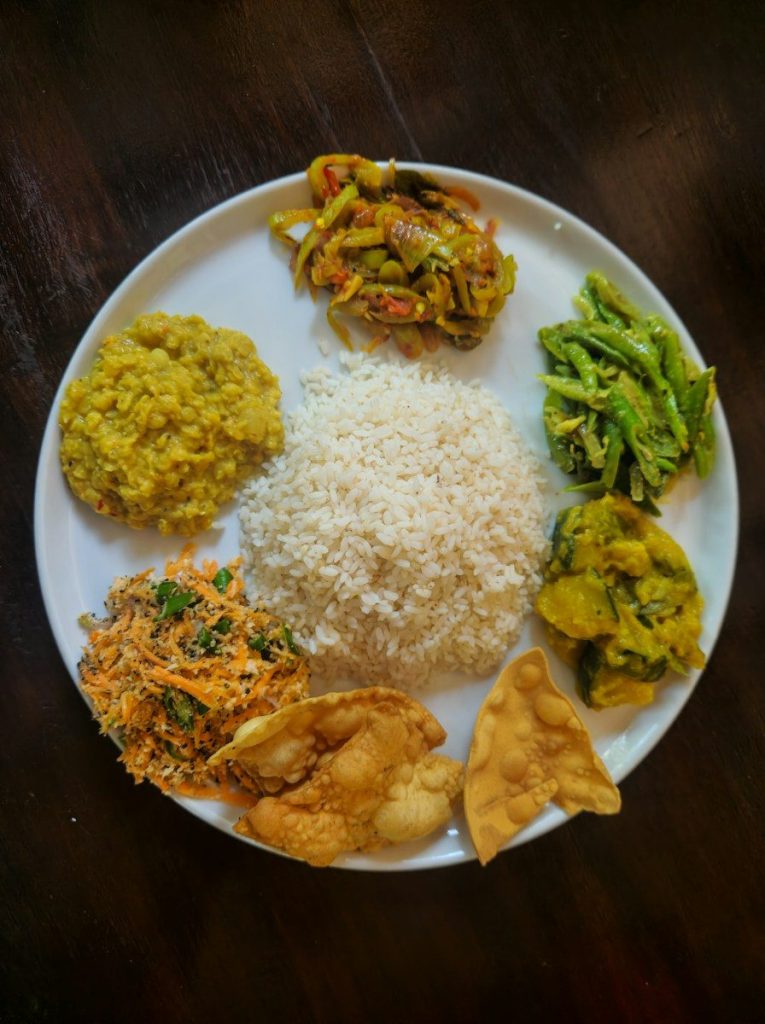
When you are ill or recovering from surgery, food does far more than satisfy hunger. Your body is repairing tissue, fighting infection and rebuilding strength, and it needs the right building materials to do that work. Eating well – in hospital and at home – is one of the simplest ways to heal faster and feel stronger.
Protein is the body’s repair material
Wounds, muscles and the immune system are all built from protein, yet appetite is often smallest exactly when the need is greatest. Include a protein food at every meal: milk, curd, eggs, lentils, beans, soya, fish or chicken. If large meals feel impossible, eat smaller amounts more often, and add a protein-rich snack such as milk, roasted chickpeas or a boiled egg between meals.
Build a balanced plate
- Energy foods: rice, roti, bread or potatoes, in portions matched to your activity and any diabetes plan.
- Colour: at least two vegetables and a fruit each day, for vitamins, minerals and fibre.
- Iron and vitamin C together: leafy greens or lentils with lemon or a citrus fruit helps the body absorb iron.
- Calcium daily: milk, curd or other calcium-rich foods support bones, especially after fractures.
Drink enough, and eat safely
Fluids help circulation, kidneys and recovery from fever. Sip water regularly through the day unless your doctor has limited your fluids because of a heart or kidney condition. In hospital and at home, food safety matters too: eat freshly cooked food, wash hands before eating, and avoid raw or street food while your immunity is low. Tell the care team about allergies, diabetes, kidney disease or any food you cannot eat, so your diet plan matches your treatment.
Special diets are treatment, not punishment
A low-salt diet for blood pressure, a controlled-carbohydrate diet for diabetes, or a soft diet after surgery each protects your recovery. Follow the dietitian’s plan at home as faithfully as you take your medicines, and ask for a written version before discharge so the family cooks one shared, suitable menu.
Not sure what to eat during recovery? Ask for a dietitian consultation – you will leave with a simple written meal plan matched to your condition and your home cooking.
Disclaimer: This article is general information only and is not medical advice. Follow the diet prescribed for your condition by your doctor or dietitian.