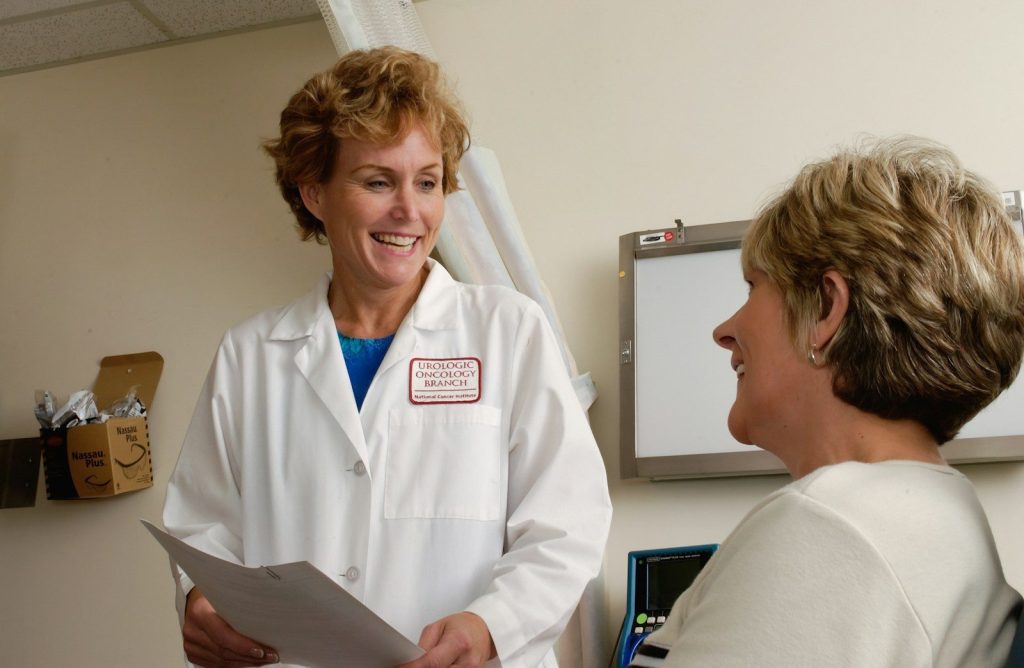
A first hospital visit can feel overwhelming: unfamiliar counters, forms, queues and medical words. Knowing the steps in advance turns that anxiety into a calm, organised visit. Here is how an outpatient visit usually works, from the moment you walk in.
Before you leave home
- Bring a photo ID, your insurance card if you have one, and any previous reports, prescriptions or scans.
- Write down your symptoms: when they started, what makes them better or worse, and any medicines you take now.
- Book an appointment where possible – it cuts waiting time considerably.
- Arrive 15-20 minutes early for registration and paperwork.
Step 1: Registration and consultation
At the registration desk you will receive a patient ID and be directed to the right department. In the consultation, the doctor will ask about your symptoms and medical history, examine you, and explain what may be causing the problem. Do not hesitate to ask questions – what the diagnosis means, what your options are, and what happens next. Bringing a family member helps you remember the advice afterwards.
Step 2: Tests, if you need them
Many visits involve a blood test, an X-ray, an ultrasound or another investigation. The doctor will explain why each test is needed. Ask whether you need to fast beforehand, how long results take, and whether they will be shared in person, by phone or online.
Step 3: Pharmacy, billing and follow-up
Collect your prescription from the pharmacy and confirm the dose and timing of every medicine before you leave. At billing, keep your receipts and reports together in one file, and note your follow-up date. If a symptom suddenly worsens before that date, contact the hospital or seek emergency care rather than waiting.
A well-prepared first visit is shorter, clearer and far less stressful – for you and for the team caring for you.
Planning a visit? Book your outpatient appointment in advance and bring your previous reports – our team will take care of the rest.
Disclaimer: This article is general information only and is not medical advice. Please consult a qualified doctor for diagnosis and treatment.