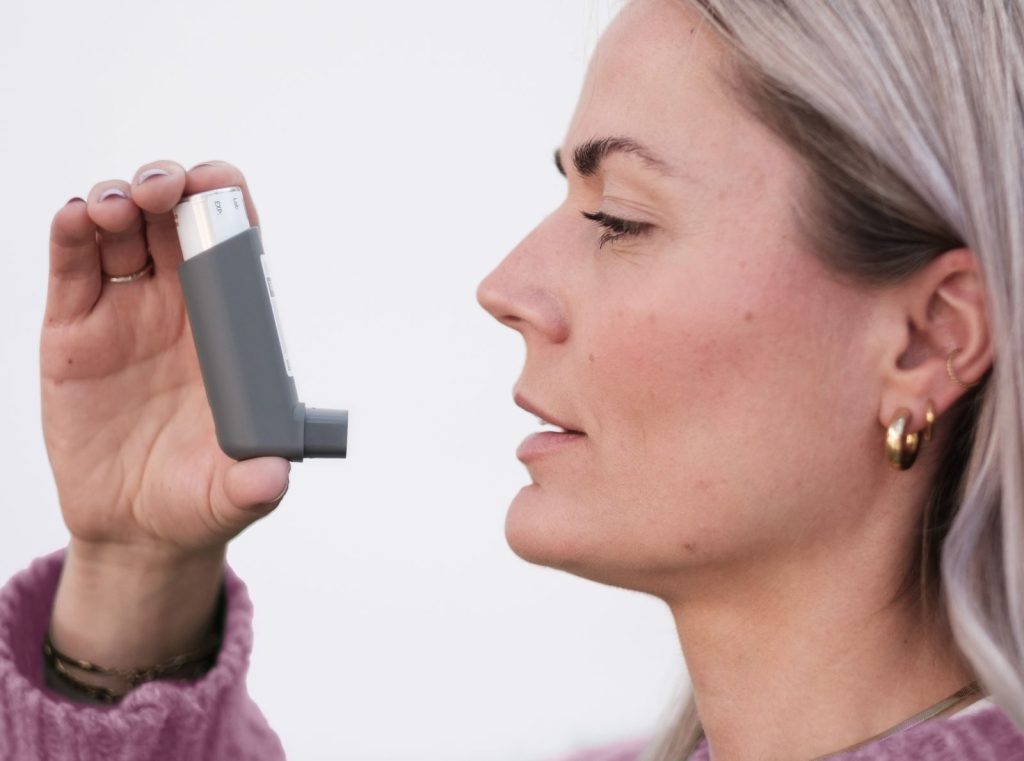
Asthma makes the airways narrow and sensitive, causing cough, wheezing, chest tightness and breathlessness that come and go. It cannot be cured, but it can be controlled so well that most people work, exercise and sleep normally. Good control rests on three things: the right inhaler used the right way, avoiding your triggers, and knowing what to do when symptoms grow.
Use your inhaler correctly – it matters most
Many people receive only a fraction of their medicine because of technique. A daily controller inhaler prevents inflammation and must be used every day, even when you feel well. A reliever inhaler opens the airways during symptoms and is for rescue, not routine daily use. Ask your doctor or nurse to watch you use your inhaler and correct your technique. Using a spacer with a metered-dose inhaler delivers more medicine to the lungs, especially for children and older adults, and rinsing your mouth after a steroid inhaler prevents mouth irritation.
Know and reduce your triggers
- Dust, dust mites, pollen, mould and pet dander
- Tobacco smoke and strong smells such as perfumes and cleaning sprays
- Cold air, sudden weather change and chest infections
- Exercise without a warm-up, and certain painkillers in some people
Keep bedding washed, rooms ventilated, and the home smoke-free. Take recommended flu and pneumonia vaccines, since infections are a common trigger of attacks.
Follow a written action plan
Ask your doctor for a simple written plan: what to take daily, what to do when symptoms increase, and when to go to hospital. Needing your reliever inhaler more than two or three times a week, waking at night with cough, or finding everyday activities harder are signs your asthma is not controlled – book a review rather than simply using the reliever more.
Warning signs of a severe attack
Go to emergency care at once if breathlessness is severe, speaking a full sentence is difficult, lips or face look blue or grey, the reliever inhaler is not helping, or you feel drowsy or faint. Do not drive yourself – call for help or an ambulance.
Using your reliever often? Book an asthma review – we will check your inhaler technique, triggers and action plan, and adjust treatment so you breathe easier every day.
Disclaimer: This article is general information only and is not medical advice. Please consult a qualified doctor for diagnosis and treatment.