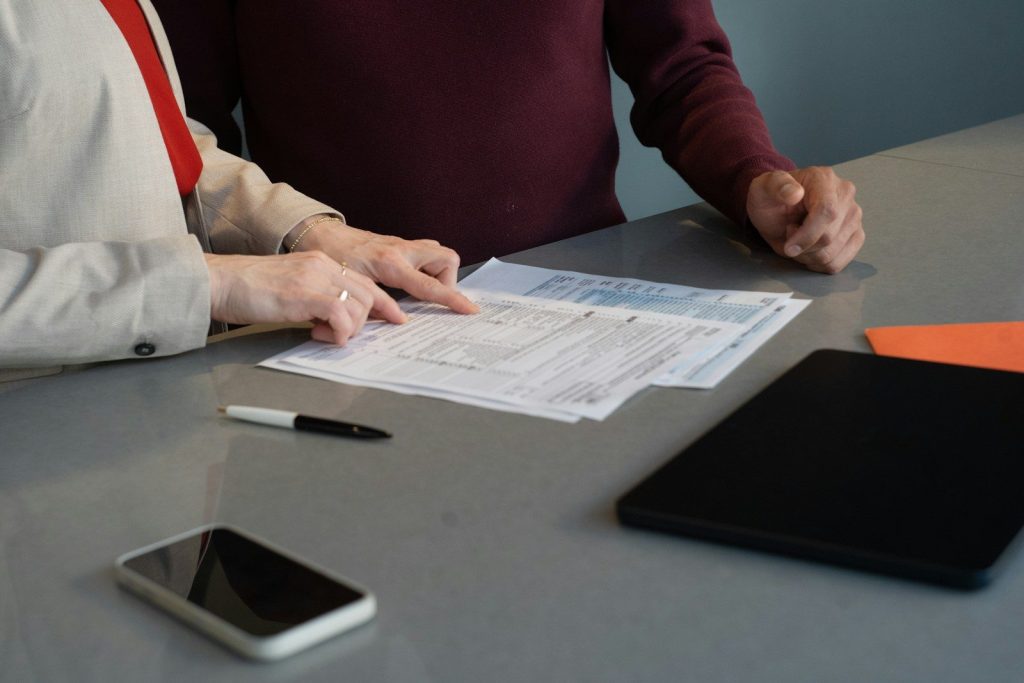
Few things add stress to an illness like an unexpected bill. Most confusion, however, comes from not knowing what the charges are for or which papers an insurer will ask for. Reading your bill calmly, line by line, and keeping your documents in order makes payment – and any insurance claim – much smoother.
What a hospital bill usually contains
A final bill is normally itemised: room and nursing charges for each day, doctor consultation and procedure fees, operation theatre and anaesthesia if you had surgery, laboratory tests, scans, medicines and consumables, and any ambulance or emergency charges. Interim bills during a long stay show the running total, so ask for one every few days to avoid a surprise at discharge.
Check these points before you pay
- Your name, patient ID, and admission and discharge dates are correct.
- The room type charged matches the room you actually stayed in, for the right number of days.
- Tests and medicines listed are the ones you received – ask the billing desk to explain any line you do not recognise.
- Any advance you paid, and any insurance approval, is shown as deducted.
Cashless claims and reimbursement claims
With a cashless claim, the hospital sends your documents to the insurer during admission and the insurer pays its approved share directly – you pay only what the policy does not cover, such as some consumables or a room above your limit. With a reimbursement claim, you pay the hospital first and claim the money back afterwards. Either way, keep everything: discharge summary, final itemised bill, payment receipts, prescriptions, and all test and scan reports. Photograph them as a backup.
Plan ahead for a planned admission
Before admission, ask for a written cost estimate, confirm whether your insurer is accepted, and check your policy’s room limit, waiting periods and exclusions. Ask questions early and politely – a good billing desk would rather explain a charge before discharge than argue about it afterwards.
Planning a treatment? Ask our billing desk for a written estimate and cashless-claim guidance before admission, so the cost side is clear from day one.
Disclaimer: This article is general information only and is not financial or medical advice. Policy terms vary – please check with your insurer and consult a qualified doctor for treatment decisions.