Hospitals care for people whose bodies are already fighting illness, surgery or injury, so germs that would not trouble a healthy person can cause a serious infection in a patient. Good hygiene is not an extra in hospital care – it is one of the main treatments, and everyone in the building plays a part in it.
Hand hygiene is the single biggest protection
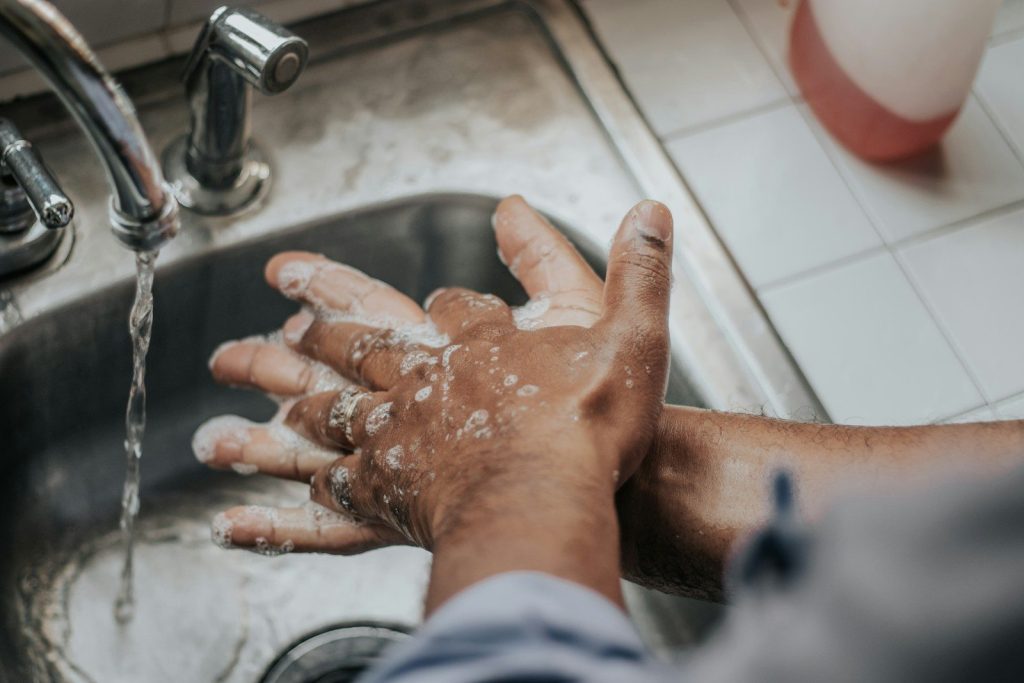
Clean hands stop most germs from travelling from one patient to another. Doctors and nurses clean their hands before and after touching a patient, before a procedure and after contact with body fluids, using soap and water or an alcohol hand rub. As a patient or family member, you are welcome to remind staff kindly if you did not see it happen – good hospitals expect and welcome that question.
What a clean hospital does every day
- Wards, toilets and high-touch surfaces such as bed rails and door handles are cleaned on a fixed schedule.
- Equipment is sterilised, and single-use items such as needles and gloves are never reused.
- Staff wear gloves, masks and gowns when a procedure or an infection requires them.
- Antibiotics are used carefully and only when needed, so they keep working when they matter most.
How patients and visitors can help
Wash or sanitise your hands when you arrive, before eating and after using the toilet. Keep the bedside area uncluttered so it can be cleaned properly, and do not sit on another patient’s bed. Do not touch wounds, drips, tubes or dressings. If you have a cough, cold, fever or stomach upset, postpone your visit – rest protects the patient more than a visit does. Follow visiting hours, keep the number of visitors small, and avoid bringing very young children into high-risk wards.
Warning signs after you go home
Some infections appear after discharge. Contact the hospital if a wound becomes red, swollen, painful or starts leaking, if stitches open, or if fever develops in the days after a procedure. Reporting it early makes treatment simple.
Questions about your care? Ask our team about the hygiene steps in place for your ward – we are glad to show you how we keep our patients safe.
Disclaimer: This article is general information only and is not medical advice. Please consult a qualified doctor for diagnosis and treatment.