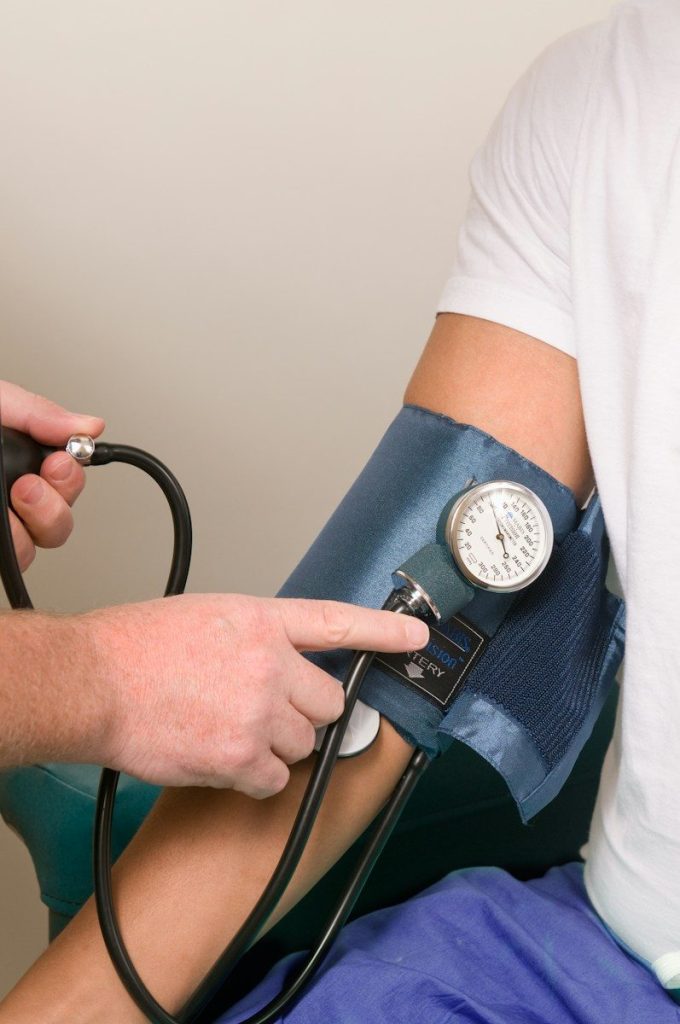
High blood pressure, or hypertension, is called a silent risk for a simple reason: most people feel completely well while it quietly damages the heart, brain, kidneys and eyes. The only way to know you have it is to measure it – which is why regular checks matter for every adult.
What the two numbers mean
A reading such as 120/80 has two parts. The first number is the pressure when the heart beats, and the second is the pressure when the heart rests between beats. Readings repeatedly at or above 140/90 usually mean hypertension, but one high reading is not a diagnosis. Stress, pain, coffee and rushing can raise it for a short time, so your doctor will repeat the measurement on different days.
Measure it the right way
- Sit quietly for five minutes, with your back supported and feet flat on the floor.
- Use the correct cuff size, placed on a bare arm at heart level.
- Do not talk during the measurement, and avoid tea, coffee and smoking for 30 minutes before.
- Take two readings a minute apart and note both, with the date and time.
Daily habits that bring pressure down
Use less salt – including the hidden salt in pickles, sauces, packaged snacks and restaurant food. Walk briskly for about 30 minutes on most days, keep a healthy weight, and avoid tobacco and limit alcohol. Eat more vegetables, fruit, lentils and whole grains, and sleep well. These steps help, but they support medicine rather than replacing it when a doctor has prescribed it.
Take prescribed medicine properly
Blood pressure medicine works only when taken every day, at the same time, even when you feel well and your reading is normal. Never stop it suddenly or share another person’s tablets. If you get a cough, swelling or dizziness, tell your doctor – the dose or drug can be changed safely. Seek urgent care for a very high reading with chest pain, breathlessness, weakness or trouble speaking.
When did you last check your pressure? Walk in for a quick blood pressure check and a heart-risk review – five minutes today can prevent a serious problem tomorrow.
Disclaimer: This article is general information only and is not medical advice. Please consult a qualified doctor for diagnosis and treatment.